Key Takeaways
- Heavy equipment operations are challenged by operator skill demands, safety risks, weather, and difficult terrain.
- Equipment failures and maintenance issues can cause costly downtime and delays.
- Coordinating multiple machines and crews requires strong planning and precision.
- Digital tools improve efficiency but require proper setup and technical expertise.
- A machine control system helps improve accuracy and reduce errors in tasks like grading and excavation.
- Safety compliance and consistent monitoring are essential in all operations.
- Success depends on balancing skilled operation with modern technology.
What Are the Challenges in Heavy Equipment Operations?
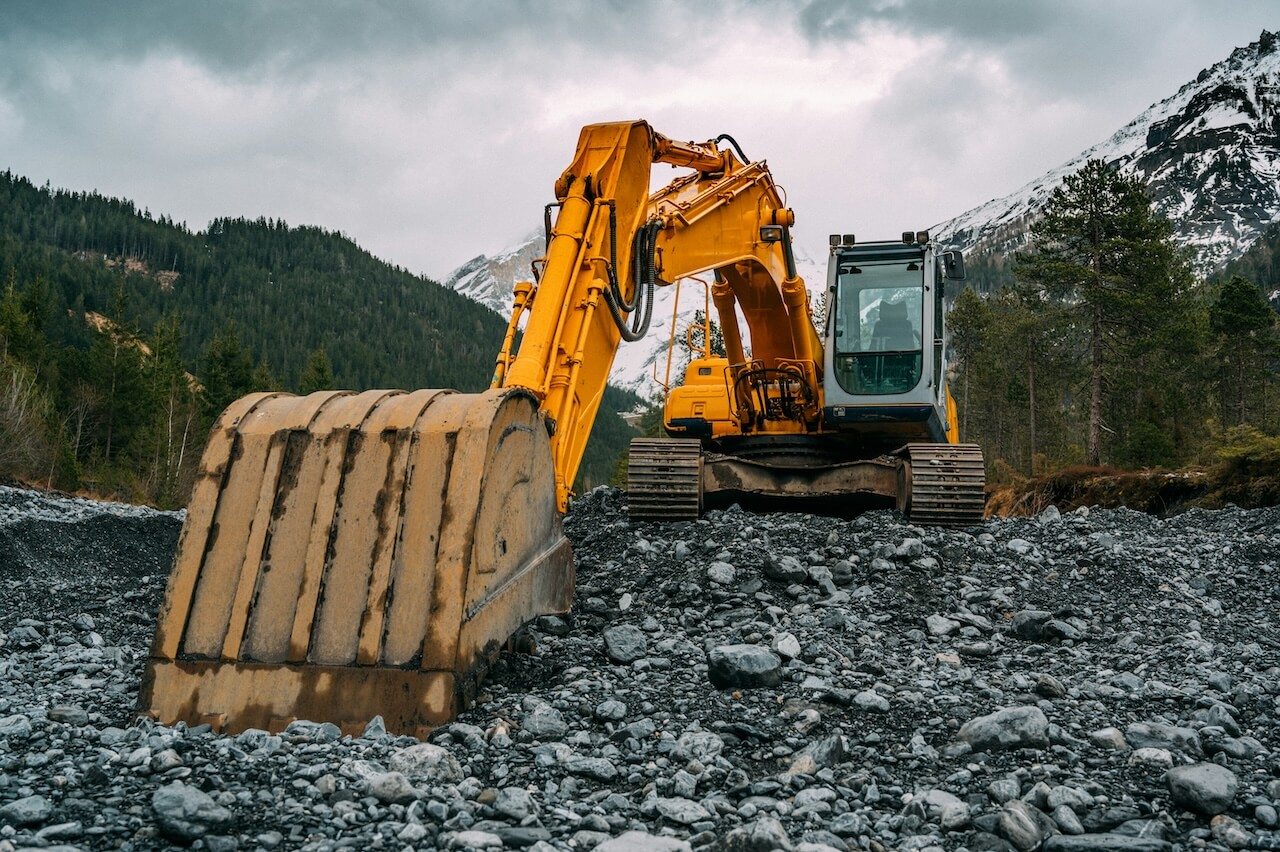
Heavy equipment operations involve a range of challenges that can significantly affect productivity, safety, and project timelines. One of the primary difficulties is ensuring operator competence, as large machinery requires specialized training and constant attention to detail to prevent accidents. Environmental conditions such as uneven terrain, extreme weather, and limited visibility can further complicate operations. In addition, equipment breakdowns and maintenance requirements often lead to unexpected downtime, which can delay projects and increase operational costs. Coordinating multiple machines and workers on a single site also adds logistical complexity, especially when precision and timing are critical.
Technological integration has improved efficiency in many operations, but it also introduces new challenges, particularly in system calibration and reliance on digital tools. For instance, a machine control system can enhance accuracy in grading, excavation, and positioning tasks, yet it requires skilled technicians to set up and maintain it properly. Operators and site managers must also adapt to evolving technologies while balancing traditional mechanical expertise. Furthermore, compliance with safety regulations and equipment standards remains an ongoing responsibility, requiring consistent monitoring and documentation to ensure safe and efficient work environments.
How Do Machine Control Systems Address These Challenges?
Modern machine control systems leverage GPS, GNSS, and real-time data analytics to enhance the performance of heavy equipment. By integrating these advanced technologies, operators gain access to instantaneous location and elevation data that guides blades, buckets, or compaction elements for accurate grading, excavation, and material placement. This technology eliminates guesswork and manual stakeouts, ensuring projects meet design requirements with minimal rework.
These systems facilitate seamless coordination between office-based planners and on-site teams by continuously updating project data to the machine’s interface. Operators can monitor cut, fill, and grade information in real time, reducing errors and facilitating quick, informed decision-making. The result is a smoother workflow, reduced need for surveyors in hazardous areas, and improved throughput per piece of equipment.
What Are the Key Benefits of Implementing Machine Control Systems?
- Increased Accuracy: The use of digital design files and satellite-based positioning ensures operators achieve project tolerances with remarkable precision, reducing the frequency and cost of rework.
- Enhanced Productivity: Automated equipment guidance enables faster task completion and minimizes downtime waiting for grade checks or survey updates.
- Cost Savings: Reduced idle time, fuel consumption, and material overages contribute to lower overall costs across all phases of operation.
- Improved Safety: Minimizing the need for manual measurements and personnel proximity to heavy machinery lowers the risk of worksite accidents.
How Does JTS Labs’ Machine Control System Stand Out?
JTS Labs delivers a state-of-the-art machine control system specifically engineered for compatibility with varied heavy equipment fleets. Their platform utilizes real-time data analytics for on-the-fly decision support, empowering equipment operators with simple, intuitive controls. JTS Labs’ technology enables quick deployment, and its system is designed to be interoperable with existing hardware, minimizing downtime during integration.
The robust design and user-focused interface streamline workflows, supporting rapid adoption by field crews. Operators can transition from manual controls to automated, data-driven operation with comprehensive support, making it easy to realize productivity gains almost immediately. JTS Labs also provides tailored training to ensure teams can extract maximum benefit from every feature.
What Evidence Supports the Effectiveness of Machine Control Systems?
A report by the Association of Equipment Manufacturers highlights the transformative effects of machine control technology in construction. According to their findings, contractors who implement these systems realize measurable improvements in project accuracy and waste reduction, citing increased safety and productivity as additional benefits. The ability to achieve specifications previously deemed too demanding has led to widespread adoption of this technology across the industry.
Compelling case studies showcase how machine control systems enable projects to finish ahead of schedule, while simultaneously reducing resource consumption and rework. These results are driving a surge in adoption among both small firms and major contractors.
How Can Companies Implement JTS Labs’ Machine Control System?
Deploying JTS Labs’ machine control solution follows a structured approach:
- Assessment: JTS Labs conducts a thorough evaluation of your equipment and unique operational requirements to tailor the solution to your fleet and job types.
- Integration: Their expert team installs the control system with minimal disruption, getting your equipment online quickly.
- Training: Customized operator training ensures every team member is confident and proficient in using the new technology.
- Monitoring: The use of real-time operational data enables ongoing adjustments and performance improvements to maximize return on investment.
What Are the Long-Term Impacts of Using Machine Control Systems?
Companies that adopt machine control technology enjoy sustained cost reductions over the life of their fleets, matched by improved project delivery times and enhanced reputation among clients. The reduction in rework and the improved safety record achieved by automated processes yield long-term financial and operational advantages. Businesses leveraging this technology are widely regarded as industry innovators, solidifying their place as leaders in the future of heavy equipment operations.
Frequently Asked Questions
Can JTS Labs’ machine control system be integrated with existing equipment?
Yes, JTS Labs specifically designs its system for compatibility across a broad spectrum of heavy equipment, making integration seamless no matter your current fleet structure.
What kind of training is required for operators?
JTS Labs provides tailored training programs for field teams, enabling operators to become proficient quickly and ensuring a smooth, efficient transition to technology-enhanced workflows.
How does the system handle real-time data?
The system aggregates and processes live data feeds to deliver operators immediate feedback and automated adjustments, ensuring optimal accuracy and streamlined decision-making.
Summary
JTS Labs’ machine control system empowers heavy equipment operators to confidently tackle common industry challenges with data-driven precision, operational efficiency, and enhanced safety. By embracing this technology, companies not only optimize current project outcomes but also secure lasting competitiveness in a technology-driven construction landscape.